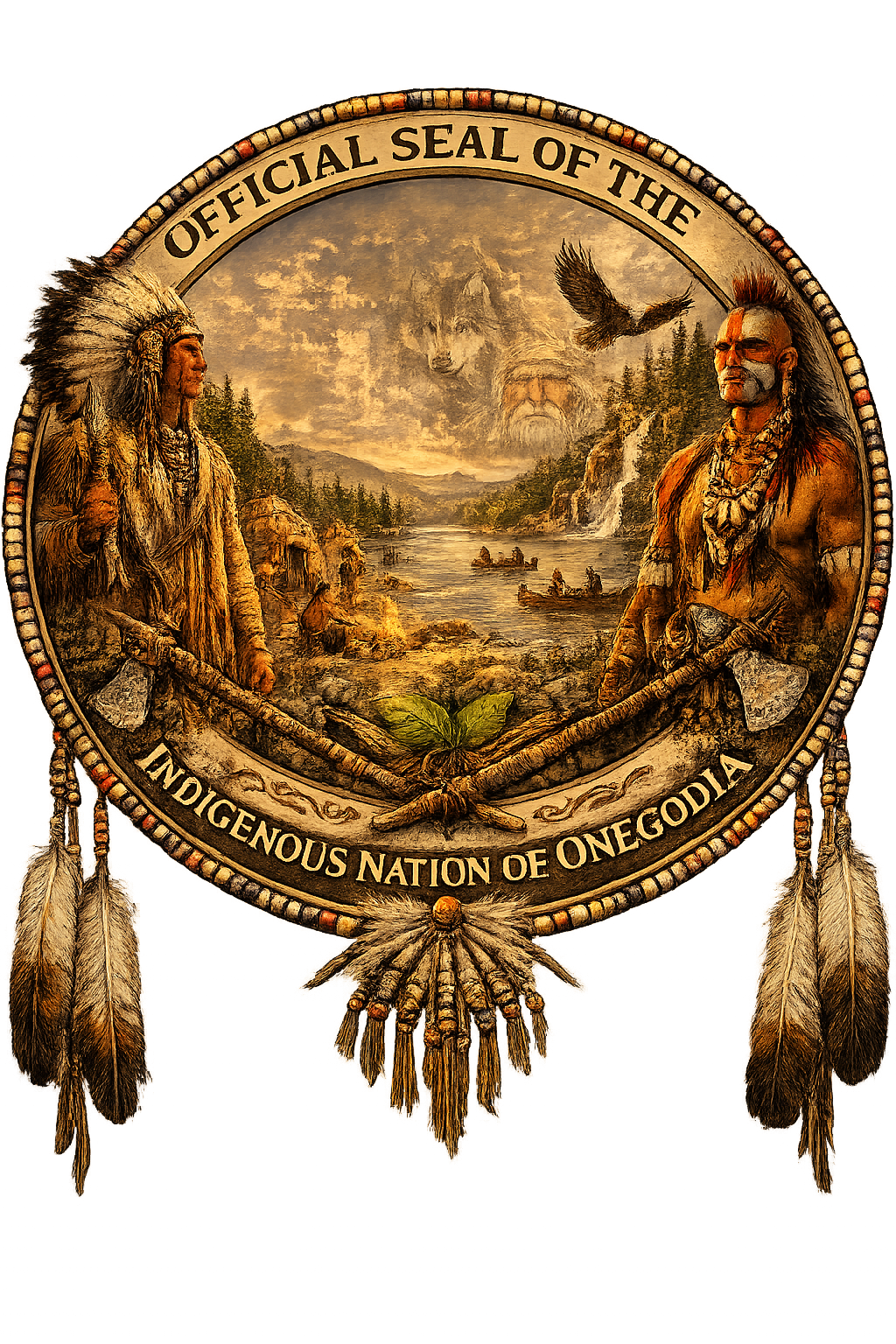

The Paper Genocide Restoration Project™
An Educational & Cultural Preservation Ecosystem documenting the historical administrative erasure of Indigenous identities and providing research resources for historical documentation and cultural restoration.
Purpose
The Paper Genocide Restoration Project™ educates individuals and communities on the historical, administrative, and legal mechanisms that altered Indigenous identity classifications in public records.
The project documents evidence-based methods of identity research, record analysis, and cultural documentation.
This project does not replace licensed legal counsel and does not promise recognition or legal status.
It provides historical literacy, documentation tools, and lawful pathways for research and self-advocacy.
Courses
Structured learning modules exploring historical identity classification systems.
Podcast
Investigative discussions on identity, records, and administrative systems.
Publications
Research publications documenting the transformation of identity records.
Course Catalog
Course 1: Understanding Paper Genocide
Modules
• Historical Reclassification Systems (1600s–Present)
• Census Labels, Race Codes, and Administrative Erasure
• Legal Difference Between Race, Nationality, and Ancestry
• Case Studies: Identity Loss Through Documentation
• Language Control and Legal Identity Framing
Outcome: Historical literacy.
Course 2: Lineage, Records, and Documentary Evidence
Modules
• Family Records: Bibles, Church Logs, Deeds
• Census Analysis (Pre-1930 Focus)
• Land, Probate, and Estate Documents
• Oral History as Supporting Evidence
• DNA Testing: Limits and Misinterpretations
Outcome: Research methodology.
Course 3: Identity Declarations & Lawful Self-Description
Modules
• What Affidavits Are and Are Not
• Lawful Self-Identification vs Legal Status
• Religious and Cultural Declarations
• Reservation of Rights Language
• Public Notice and Recordkeeping
Outcome: Document literacy.
Course 4: Correcting & Annotating Records
Modules
• Birth Record Amendment Overview
• Affidavits of Correction
• Identification Documents
• Institutional Discretion
• Record Management
Outcome: Process literacy.
Course 5: Nations, Membership, and Cultural Bodies
Modules
• Race vs Nation vs Tribe
• Federally Recognized vs Non-Recognized Bodies
• Religious Societies
• Membership Certificates
• Cultural Governance
Outcome: Civic literacy.
Course 6: Living With Cultural Integrity
Modules
• Language and Self-Representation
• Contracts and Personal Capacity
• Community Organization
• Teaching Future Generations
• Record Preservation
Outcome: Cultural continuity.
Podcast Series
The Record Was Altered
Season 1
1. What Is Paper Genocide
2. How Census Labels Changed History
3. When Identity Became a Checkbox
4. Heritage vs Status
5. Documentation Matters
6. Oral History vs Records
7. Psychological Impact of Identity Erasure
8. Restoration Without Illusion
9. What the Law Can and Cannot Do
10. Leaving a Record for the Future
Book Series
Book I — Paper Genocide
The Administrative Erasure of Indigenous Identity
Book II — The Record & the Bloodline
How Families Were Rewritten
Book III — Identity Without Illusion
Lawful Self-Description in a Bureaucratic World
Book IV — We Were Nations
Before Race Labels
Supporting Materials
• Sample affidavit templates (annotated educational examples)
• Research checklists
• Terminology guide: race vs nation vs ancestry
• Recordkeeping and archival guides
• Instructor certification program (future phase)
Legal & Ethical Safeguards
• No guarantees of legal recognition
• No advice to evade law enforcement or courts
• Clear jurisdictional disclaimers
• Emphasis on historical education and documentation
Platform Structure
The project will publish research through a centralized hub.
identity-restoration.indigenousnations.org
Sections
• Courses
• Podcast
• Books
• Research Tools
• Historical Archive
• Public Notices
Participate in the Project
Researchers, historians, and community members are invited to contribute documentation, research, and historical records that support responsible scholarship and cultural preservation.