Education

Educational Resources

Public educational materials focused on cultural continuity, governance models, and contemporary Indigenous institutions.

Overview

The Education section provides public educational materials that support understanding of Indigenous cultural continuity, governance traditions, and the development of contemporary Indigenous institutions.

The materials published here are intended to document knowledge and encourage informed discussion about Indigenous societies, their historical governance traditions, and their continued presence in modern civic and cultural life.

Content in this section is descriptive and informational in nature and does not prescribe belief systems or political positions.
Cultural Foundations

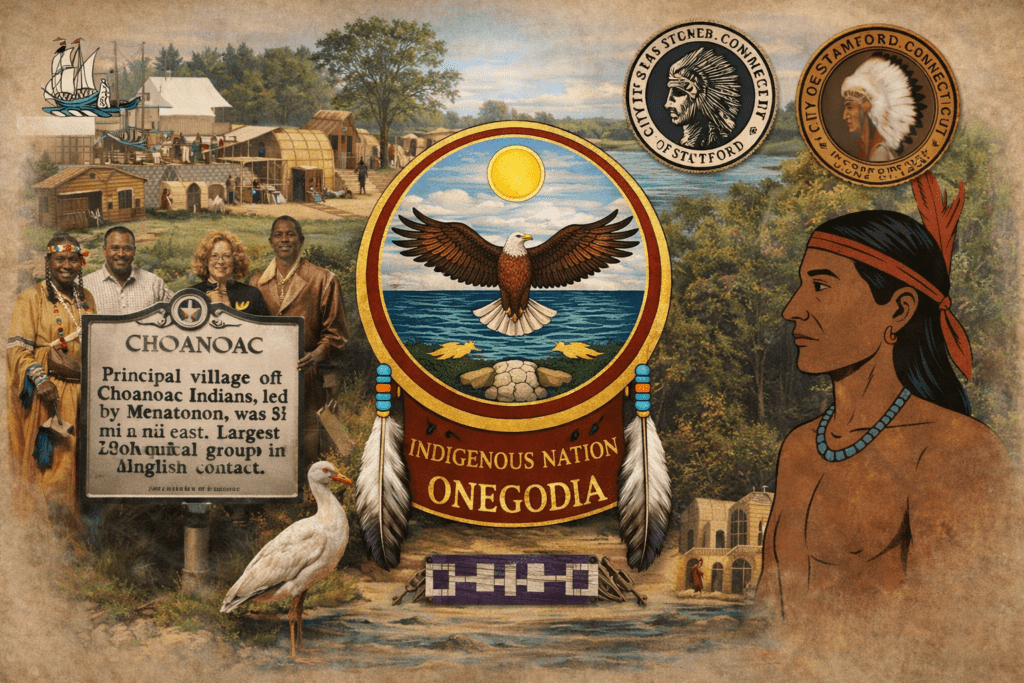
Educational material documenting traditional Indigenous knowledge systems, cultural values, and place-based traditions that have shaped Indigenous communities across generations.

Topics may include oral history traditions, cultural responsibilities, intergenerational knowledge transfer, and the role of land and environment in cultural continuity.

Indigenous Governance Models

Documentation of traditional governance structures that historically guided Indigenous nations, including council systems, leadership roles, and decision-making processes rooted in community responsibility.

This material provides context for understanding Indigenous governance traditions both historically and in contemporary settings.

Contemporary Indigenous Institutions

Exploration of modern Indigenous organizations, institutions, and initiatives that work to support cultural preservation, economic development, education, and community coordination.

These examples help illustrate how Indigenous communities continue to build institutions capable of serving future generations.

Educational Publications

Articles, research summaries, and educational commentary published in this section are intended to provide accessible explanations of Indigenous history, governance traditions, and modern institutional development.

All publications prioritize historical accuracy, respect for Indigenous communities, and responsible public communication.


The Third Day™ — Ahsténha
Independence 21, 0000 OT
Gregorian Sync
March 3, 2026 (America/New_York)

Start typing and press Enter to search

Shopping Cart

No products in the cart.